
KiwiSaver & Managed Funds

Your KiwiSaver has 2 ways of Growing

A pink piggy bank next to stacked coins on a wooden surface, with the text "Contributions" and "The amount of money you, your employer and the government put in your account" overlaid on the image.
Graphic with the text 'Investment Returns, The Money Your Investment Earns', a bar graph with orange bars increasing in height from left to right, a white upward arrow, and three small white arrows pointing right.
A graphic displaying the words "Investment Returns", a bar chart with orange bars increasing in height, a white arrow pointing upwards, and a line graph overlay, on a gray background.

Two key components that affect returns:‍ ‍

  1. Provider or Fund Manager (who's looking after your KiwiSaver)

  2. Fund Type - based on your timeframe and risk profile

Fund Type: You have 5 main Fund Types to choose from:
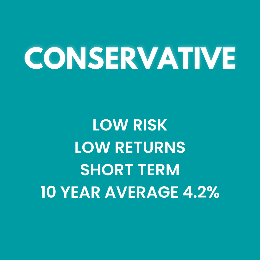
Blue background with white text listing Conservative investment features: low risk, low returns, short term, 10-year average 4.2%.
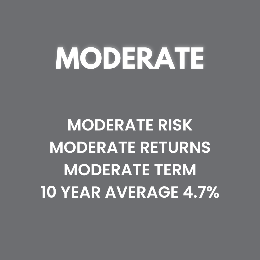
Gray background with white text displaying financial risk levels: 'MODERATE' at the top, followed by 'MODERATE RISK', 'MODERATE RETURNS', 'MODERATE TERM', and a 10-year average return of 4.7%.
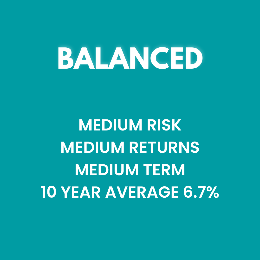
Blue background with white text reading, 'BALANCED, MEDIUM RISK, MEDIUM RETURNS, MEDIUM TERM, 10 YEAR AVERAGE 6.7%.'
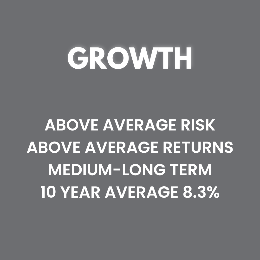
Gray background with white and gray text about growth, risk, and returns, mentioning a 10-year average of 8.3%.
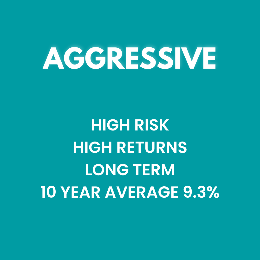
Teal background with white text listing investment attributes: Aggressive, High risk, High returns, Long term, 10-year average 9.3%.

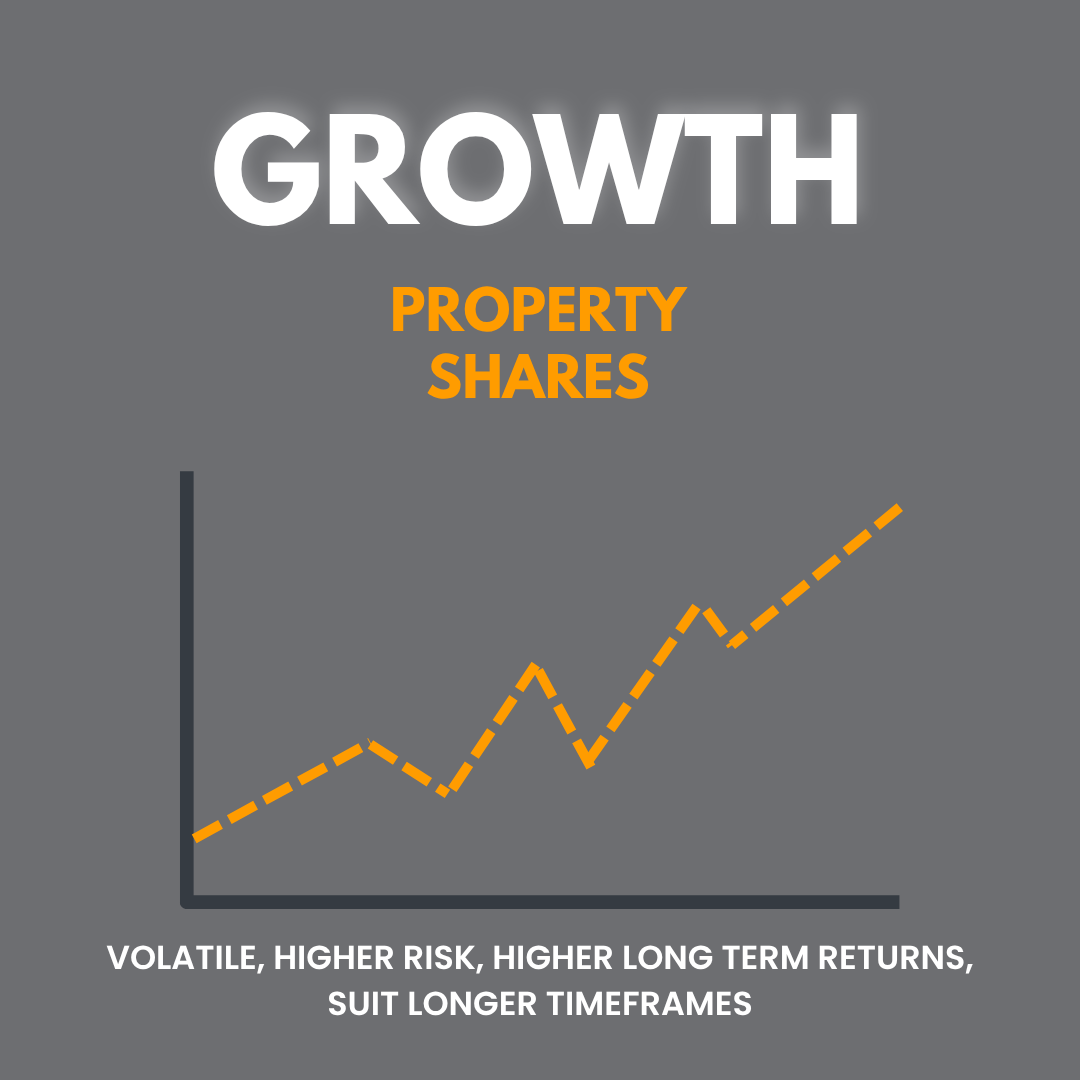
As shown above, Income Assets offer more stable but lower returns, while Growth Assets tend to deliver higher long-term returns, albeit with greater volatility along the way. The type of fund you choose will determine the proportion of Income Assets versus Growth Assets in your portfolio.
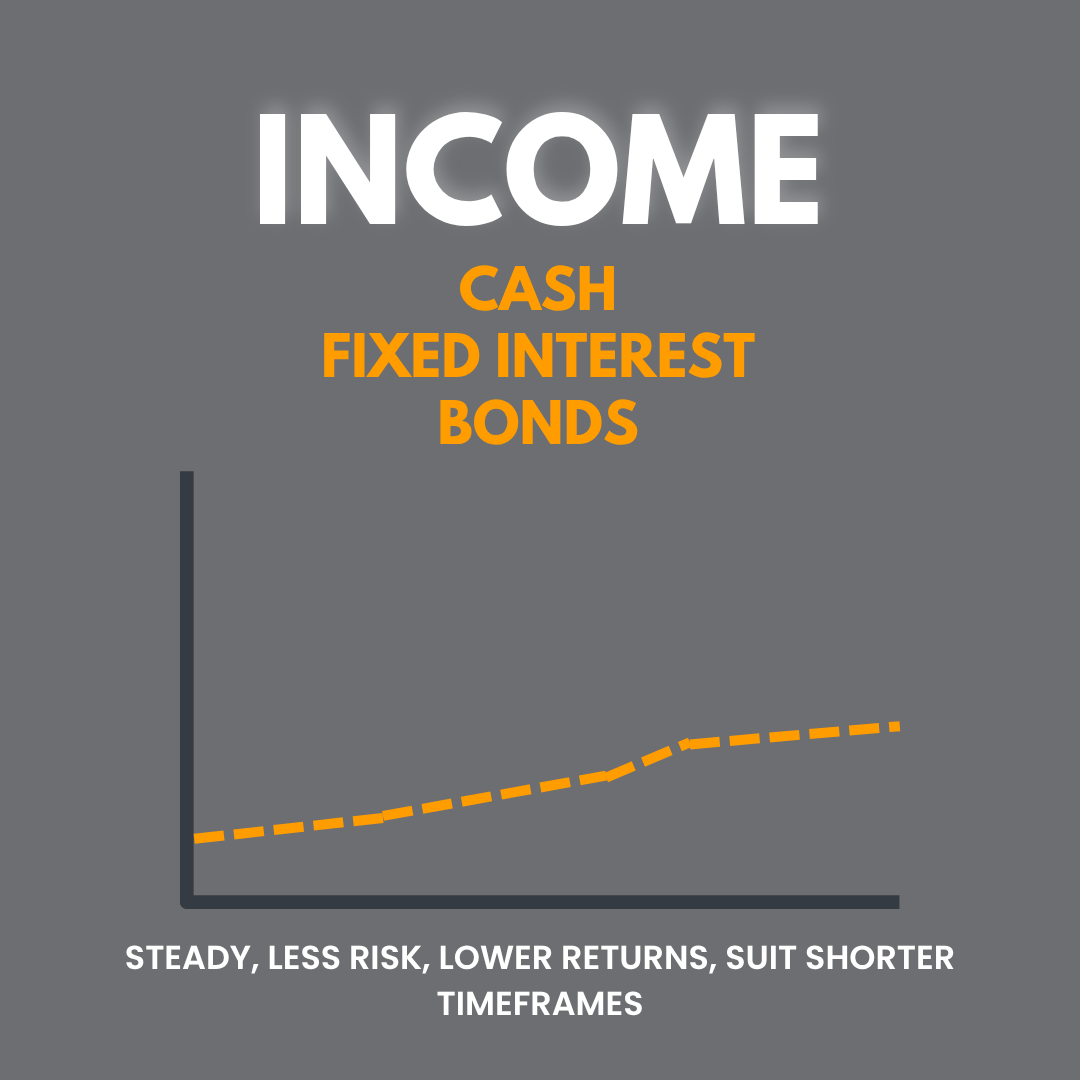
Graph illustrating income options: cash, fixed interest, bonds, with a rising trend line, caption states steady, less risk, lower returns, suits shorter timeframes.
Line graph showing growth of property shares over time, with a note that they are volatile, higher risk, higher long-term returns, and suitable for longer timeframes.

*For illustrative purposes only

Timeframe

The longer your investment timeframe, the more likely you’ll want to include Growth Assets in your KiwiSaver, as you'll have more time to weather the market’s normal ups and downs.

Conversely, with a shorter timeframe, you'll likely prefer more Income Assets, since you won't have as much time to recover from market fluctuations.

Here’s a helpful Timeframe & Fund Type guide

‍ ‍

‍ ‍

*This guide outlines general timeframes and does not account for individual risk tolerance or personal preferences.

The allocation between income and growth assets can vary by provider and may fluctuate based on market conditions and expectations.

The purpose of this guide is to provide a rough overview of how different fund types are typically structured.
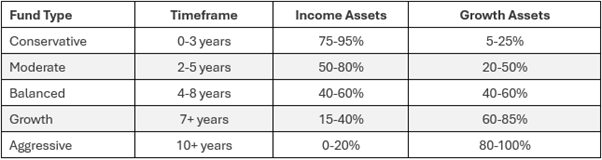
Table comparing fund types: Conservative, Moderate, Balanced, Growth, Aggressive, with respective timeframes, income, and growth assets.